



iTunes is a media player computer program, used for playing, downloading, and organizing digital music and video files on desktop or laptop computers. It can also manage contents on iPod, iPhone, iPod Touch and iPad. iTunes can connect to the iTunes Store to purchase and download music, music videos, television shows, iPod games, audiobooks, podcasts, movies and movie rentals (not available in all countries), and ringtones (only available on iPhone and iPod Touch 4th Generation). It is also used to…
About Xvid Format XviD is an Open-source compression codec based on MPEG-4 ISO format. It uses ASP features such as b-frames, global and quarter pixel motion compensation, Lummi masking, trellis quantization, and H.263, MPEG and custom quantization matrices. XviD, like many other MPEG-4 formats, can be played with certain MPEG-4 compatible, stand-alone DVD/DivX/XviD players. XviD is not a video format. Since XviD uses MPEG-4 Advanced Simple Profile (ASP) compression, any video that is encoded with it is termed "MPEG-4 ASP…
About WMV Format Windows Media Video (WMV) is a video compression format for several proprietary codecs developed by Microsoft. The original video format, known as WMV, was originally designed for Internet streaming applications, as a competitor to RealVideo. The other formats, such as WMV Screen and WMV Image, cater for specialized content. Through standardization from the Society of Motion Picture and Television Engineers (SMPTE), WMV 9 has gained adoption for physical-delivery formats such as HD DVD and Blu-ray Disc. The…
About WebM Format WebM is a multimedia container format designed to provide a royalty-free, high-quality open video compression format for use with HTML5 video. The project's development is sponsored by Google. A WebM file consists of VP8 video and Vorbis audio streams, in a container based on a profile of Matroska. The project releases WebM related software under a BSD license and all users are granted a worldwide, non-exclusive, no-charge, royalty-free patent license. The purpose of the container is to…
About WAV Format WAV (or WAVE), shortening for Waveform audio format, this standard Microsoft and IBM audio file format was created for storing audio on PCs. It is a version of the RIFF bitstream format method good for storing data in "chunks", and thus also close to the IFF and the AIFF format used on Amiga and Macintosh computers, respectively. Both WAVs and AIFFs are compatible with Windows, Macintosh, and Linux operating systems. The format takes into account some differences…
About VOB Format VOB is short for Video Object, a container format in DVD-Video media. VOB can contain video, audio, subtitle and menu contents multiplexed together into a stream form. VOB is based on the MPEG program stream format, but with additional limitations and specifications in the private streams. The MPEG program stream has provisions for non-standard data (as used in VOB files) in the form of so-called private streams. VOB files are a very strict subset of the MPEG…
About TS Format TS is the abbreviation of Transport Stream (in high definition). It is a communication protocol for audio, video, and data which is specified in MPEG-2 Part 1, Systems (ISO/IEC standard 13818-1 or ITU-T Rec. H.222.0). Transport stream (TS) is specified in MPEG-2, and it is a standard format for transmission and storage of audio, video, and data, and is used in broadcast systems such as DVB and ATSC. Transport stream specifies a container format encapsulating packetized streams,…
About RMVB Format Real Media Variable Bitrate (RMVB) is a file format developed and owned by RealNetworks. It's designed to be compatible with RealPlayer, the company's proprietary media player software. RMVB files are encoded with a variable bitrate (VBR) format, as opposed to a constant bitrate (CBR). The VBR format allocates different output rates and storage space based on segment complexity in a music file; more complex data gets higher bitrates and more storage. The CBR format allocates constant rate…
About MPEG-4 Format MPEG-4 is a method of defining compression of audio and visual digital data, it is one of the latest compression method standardized by MPEG group, designed especially for low-bandwidth video/audio encoding purposes. DivX and XviD are fully standard-compliant MPEG-4 encoders nowadays. MPEG-4 is commonly used to store media types defined by the ISO/IEC Moving Picture Experts Group, though it can store other media types as well. The files of this format usually have extension .mp4. Unlike MPEG-1…
About MPEG Format MPEG stands for Moving Pictures Experts Groups, part of the International Organization for Standardization (ISO) and International Electrotechnical Commission (IEC), to set standards for audio and video compression and transmission. The term also refers to the family of digital video compression standards and file formats developed by the group. MPEG generally produces better-quality video than competing formats, such as Video for Windows, Indeo and QuickTime. MPEG files previously on PCs needed hardware decoders (codecs) for MPEG processing.…
-

How Long Do Recordings Stay on YouTube TV? Full Breakdown
-
AnyBurn Review: Is This Free Burner Enough
-
3 Best Ways to Download All Videos from YouTube Channel
-
DVDFab DVD Creator Review: Read Before Buying
-
Windows Media Player Review: Is It Working on Windows 11?
-
6 Best Tools to Download YouTube Playlist Fast
-
Detailed Review: Is KeepStreams Safe? Is it Worth Trying?
-
How to Record a YouTube Live Stream on Any Device (Step-by-Step Guide)
-
Disney Plus HDCP Issue: Complete Troubleshooting & Fix Guide
-
How to Download Bilibili Videos? All Methods Explained








-
Best Twitter Porn Accounts You Shouldn’t Miss
-
How to Download Pornhub Videos? Ways to Download from Pornhub
-
Top 5 OnlyFans Viewer Tools to View OnlyFans Content for Free
-
Full Review of Savethevideo: Is Savethevideo Safe & How to Use it?
-
How to Download MissAV Porn Videos in HD for Offline Viewing?
-
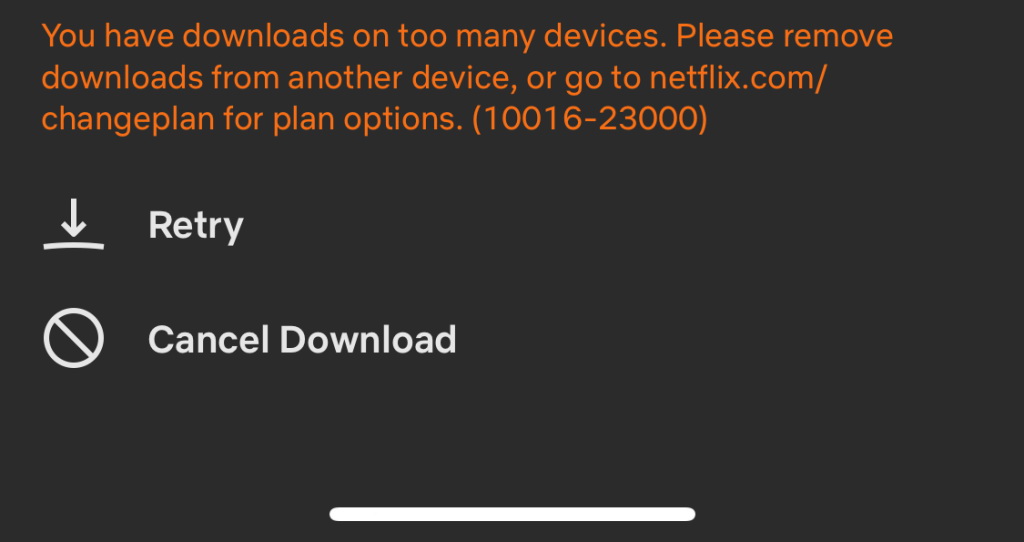
Netflix Download Limit: What it is & How to Avoid
-
How to Import Bookmarks from Safari to Chrome
-
Full Guide to YouTube Members Only Videos: Watch, Download
-
How to Download Videos from Fansly with Fansly Downloader
-
4 Methods to Burn ISO Files to Blu-ray Discs Easily







 العربية
 繁體中文
繁體中文 Dansk
Dansk Nederlands
 Suomi
Suomi Français
 Deutsch
 Italiano
 한국어
한국어 Norsk bokmål
 Português
 Русский
 Español
 Svenska